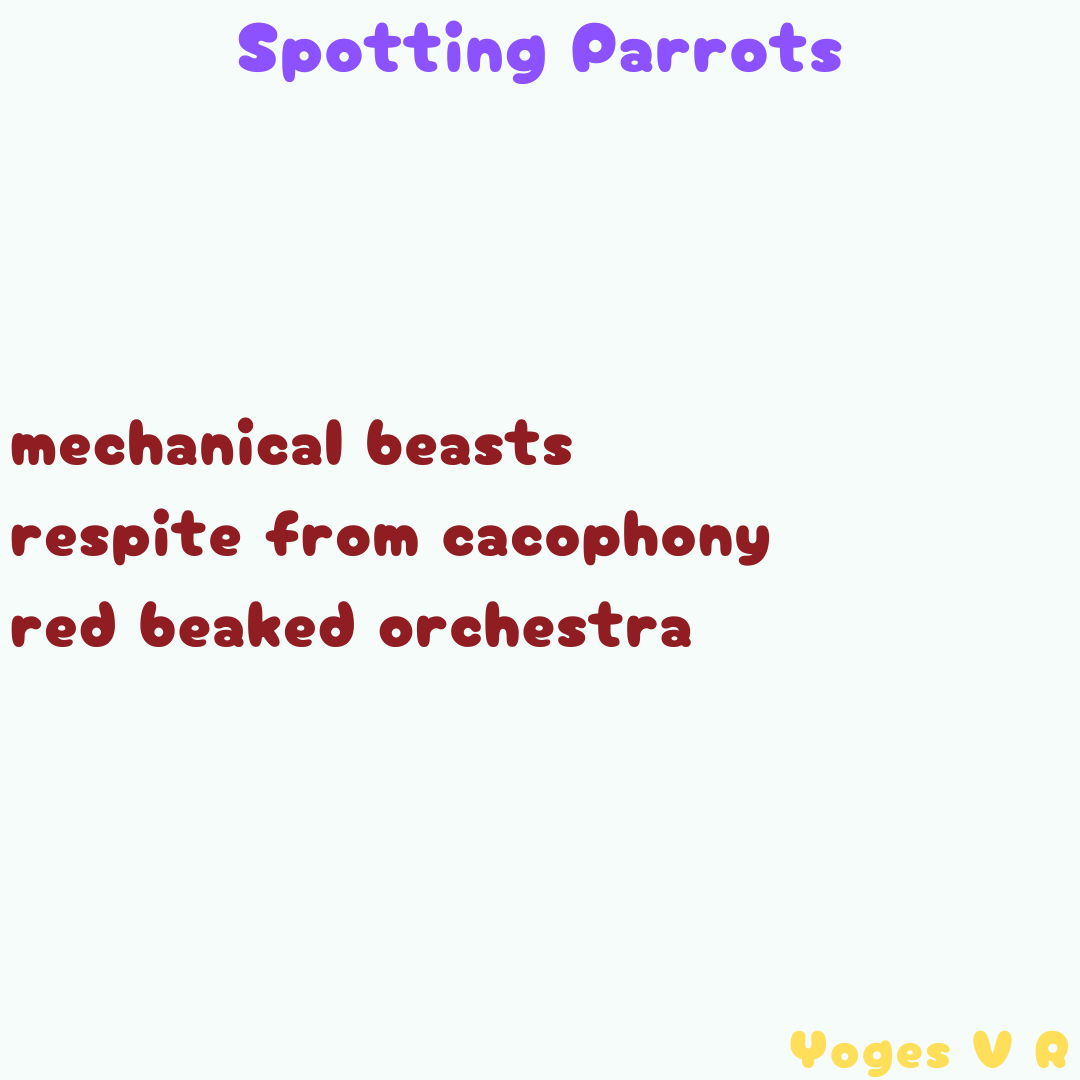
Haiku about the two parrots that I spotted on a tree that was on a busy road.
There are a bunch of trees near my house, a rarity in my city these days. As a result I get to see a bunch of birds every time I step into my house terrace. Ever since shifting to this house I have made it a point to feed the crows that live in the nearby trees. Since the lock-down feeding the crows has become a ritual. I feed them twice a day, once around 10.30 AM and once around 4 PM. It’s a fascinating sight to see the crows flying towards my house as I start placing food on the parapet wall of our terrace.
As the days have passed I have noticed a few smaller things that I have not paid much attention to in the past. The crows do seem to have their favorite foods: Chapathis are their favorite, bread comes next and they like savories like Ompodi & Mixture. The have a particular liking for Medu Vadai. They are ok with biscuits, water melon & musk melon but do not seem to like bananas. They don’t like Sundal either. Crows also exhibit different personality traits: some of them descend down on the wall pick up their share of food and fly back to the trees, some sit on the wall and eat uneasily, while others rather than eating, shout on top of their voice to broadcast to others that food is available.
I get to see other birds too. There are a bunch of pigeons that live in the neighborhood. My immediate next house neighbor places water in mud plates on his terrace for the pigeons, so they have kind of made his terrace their home. Two of the pigeons come to eat if I place scraps of fruits for the crows. Ditto for a couple of squirrels. The pigeons and squirrels come to eat only after most of the crows have left. A couple of times I have seen a solitary Myna too eating on our terrace. However all these creatures make a quick exit if I even get near the door of our terrace.
There are about 4 parrots living in a hole on the side walls of apartments two building from my house. I can see them only in the morning around 8 AM but they seem to vanish from sight after that. In the evening they will be flying at high-speed from one tree to another. Guess they have the same attitude of adolescent guys indulging in bike racing in East-coast Road. I have never seen these parrots coming to eat at my house or drink at my neighbors house. May be once of the days, I need to wake up at daybreak and see what these parrots are up to.
I also get to see cranes flying in the sky; guess they are moving towards Foreshore Estate where there is creek / backwaters. I get to see eagles gliding high in the sky over a nearby hotel, the most that I have seen is six of them. I guess a crows have made nest on the terrace of the hotel. From time to time, I see a couple of crows trying to chase a solitary eagle; it’s like watching fighter planes indulging in dogfight. Most of the times, the crows seem to be successful; happy ending… for the crows and hungry tummy for the eagles.
Around 6 PM, the villains of the current season, Bats start making their appearance in the sky. It’s quite a scary sight to see a constant stream of bats flying from south-east to the north-west direction. I guess they are coming from somewhere near Foreshore Estate where there are a couple of water-bodies and a lot of trees, but I am not sure. Once the bats start gracing the sky with their appearance, I shut the terrace door and get back into the house. The sun by this time would be beating a hasty retreat and in no time mosquitoes would be busy making everybody’s life uncomfortable.
It’s my deepest wish or daydream that on one of the days when I open my terrace door to feed the crows there should be bunch of Scarlet Macaw Parrots or a couple of Indian Peafowls sitting on my terrace’s parapet wall.


Which is the closest country to Australia? If you answered New Zealand, you are wrong. If you answered Indonesia, you are wrong again. Papua New Guinea is the closest country to Australia. Papua New Guinea (PNG), is an independent country that occupies the eastern half of the island of New Guinea and its offshore islands in Melanesia, a region of the southwestern Pacific Ocean north of Australia. Its capital, located along its southeastern coast, is Port Moresby. The western half of New Guinea forms the Indonesian provinces of Papua and West Papua. Papua New Guinea achieved its independence in 1975 following almost 60 years of Australian administration. PNG is a member of the Commonwealth of Nations and Queen Elizabeth II is the head of state. The country has a population of about 8 Million people, has a per capita GDP of $2,283 and is classified as a developing nation by the IMF.
Some interesting facts about PNG:
If you are interested in visiting PNG the following links might be useful to you:
http://wikitravel.org/en/Papua_New_Guinea
https://www.lonelyplanet.com/papua-new-guinea
http://www.papuanewguinea.travel/birdwatching
http://www.tropicalbirding.com/australasia-tours/new-guinea/papua-new-guinea/
http://world.new7wonders.com/?n7wn-finalist=great-barrier-reef-australia-papua-new-guinea
I will leave you with a couple of videos, one of PNG and one on Birds of Paradise.
Sources:
Article:
https://en.wikipedia.org/wiki/Papua_New_Guinea
http://www.traveller.com.au/have-you-visited-australias-closest-neighbour-papua-new-guinea-ghfi04
http://www.10-facts-about.com/papua-new-guinea/id/898
http://www.factsking.com/countries/papua-new-guinea/
https://papuanewguineacasestudy.wikispaces.com/Learn+More+about+Papua+New+Guinea,+Fun+Facts!
http://travelpost.noble-caledonia.co.uk/articles/papua-new-guinea-interesting-facts-travel-tips
https://en.wikipedia.org/wiki/Bird-of-paradise
Photos:
http://missionpng.com/PNGScene.htm
http://www.globaldivingadventures.com/expedition-papua-new-guinea/
Note: This post has been written for IndiSpire Edition 116: ‘Choose a country you don’t know much about. Now read up/ research about it. And tell us something interesting about it. Can be anything – history, politics, music or whatever tickles your fancy. #DiscoverACountry’
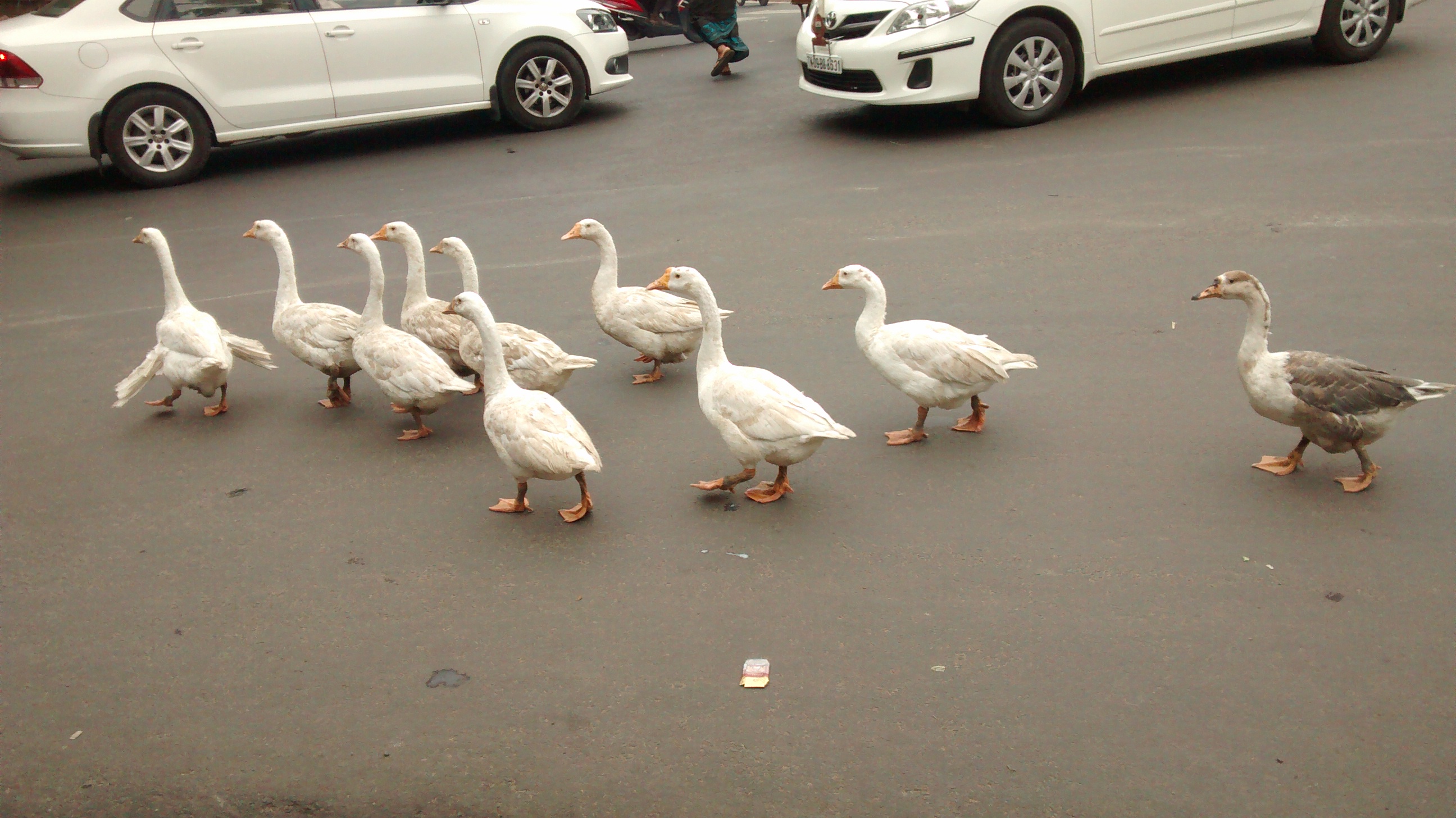
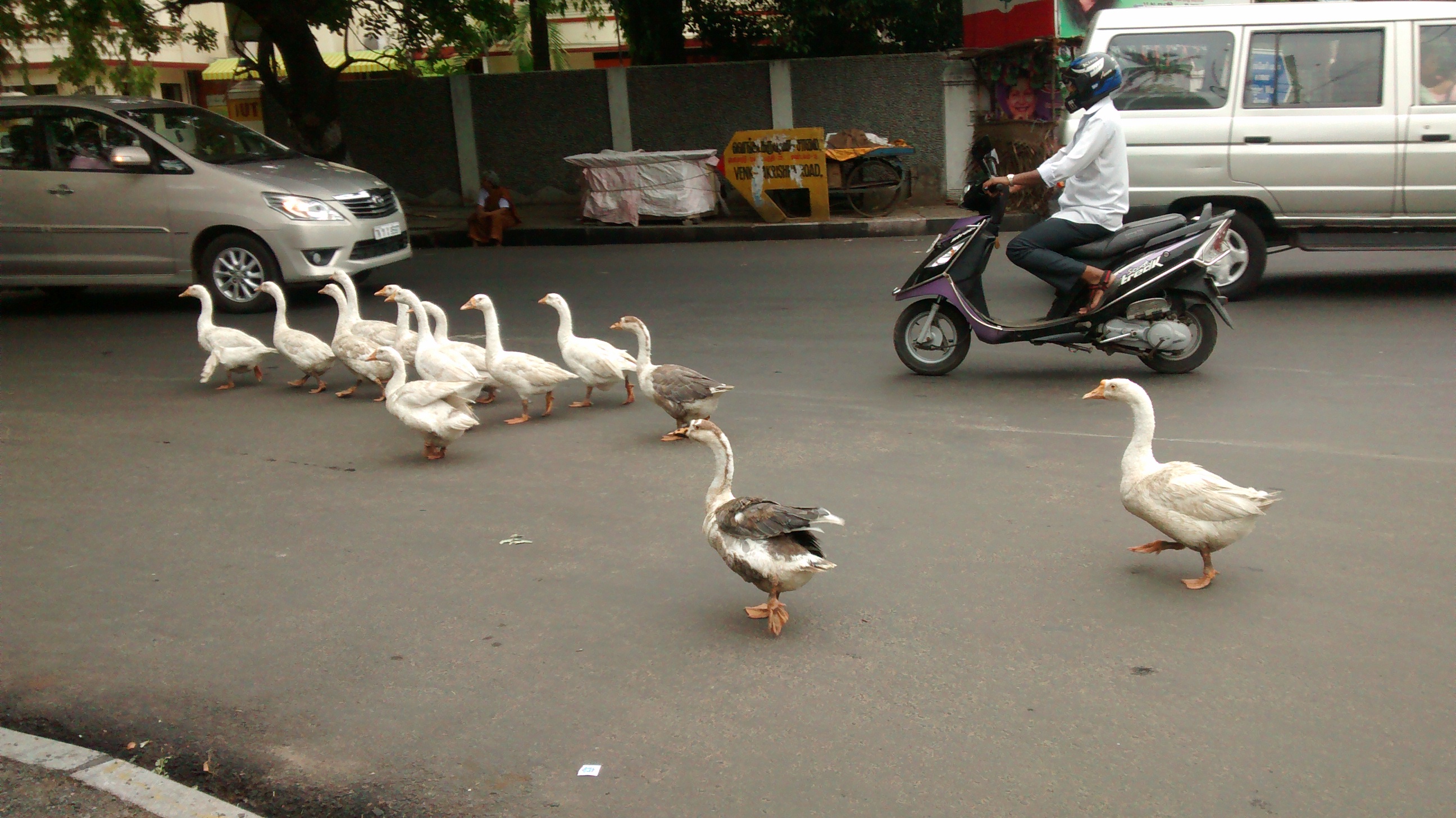
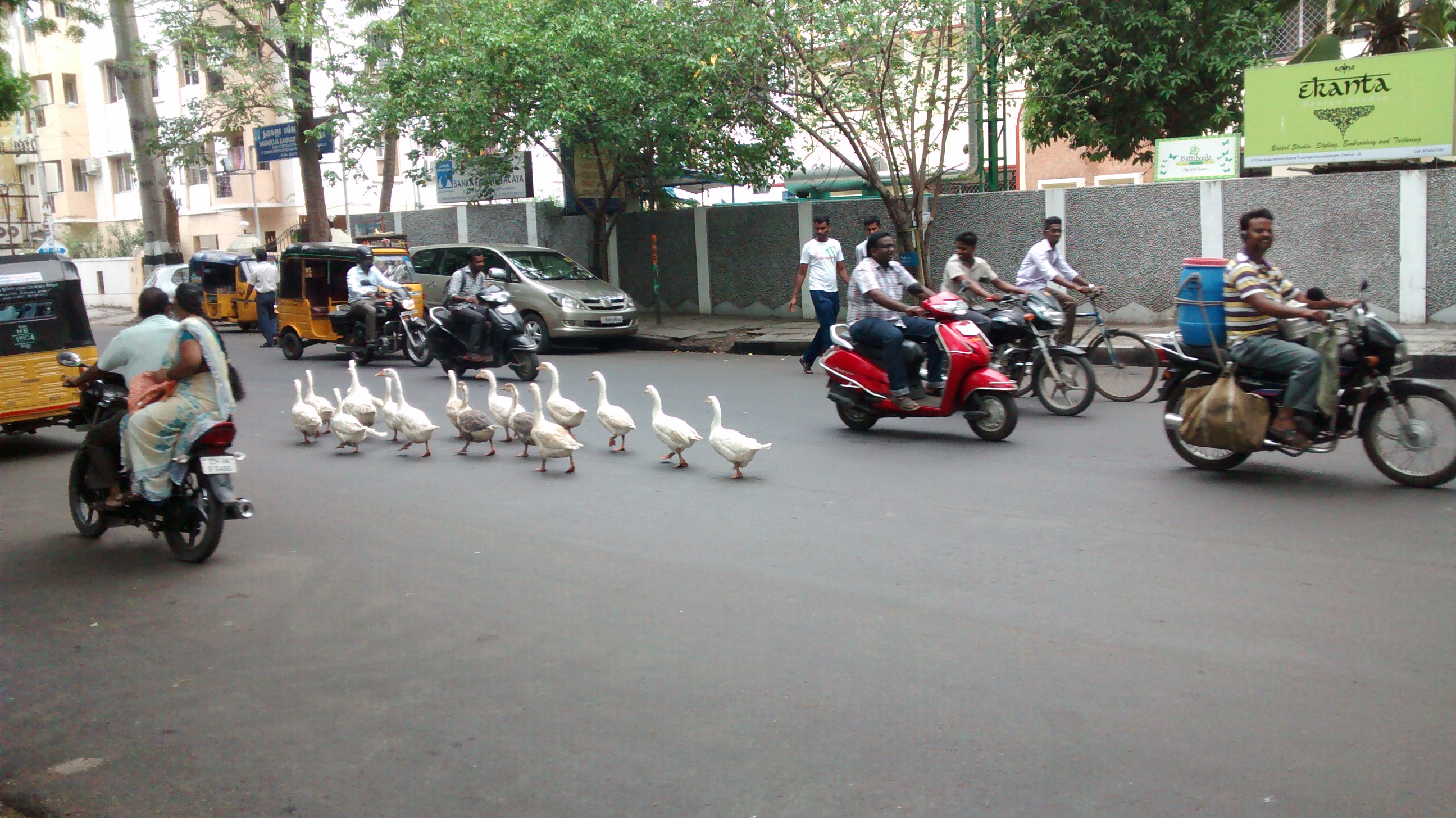
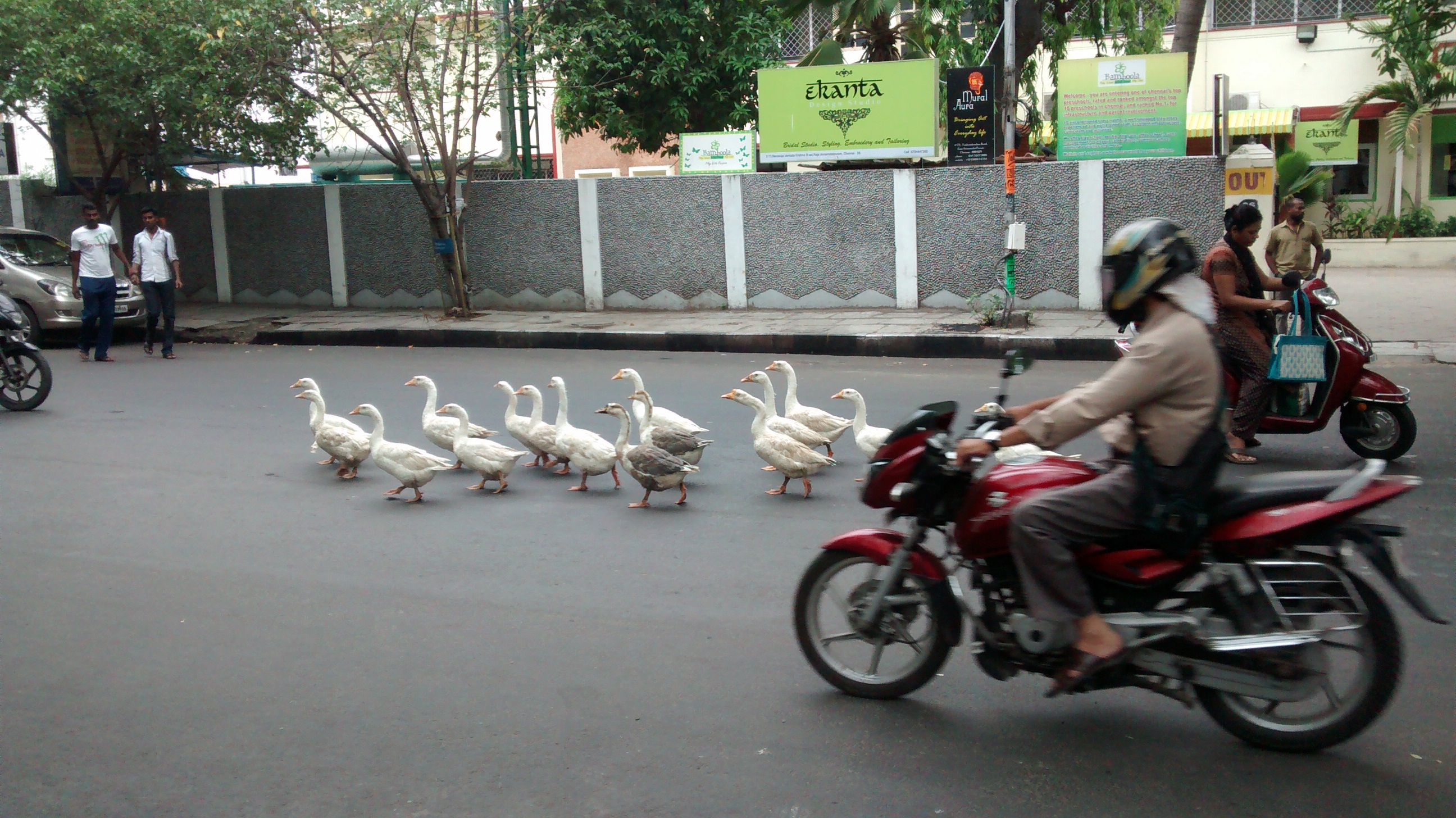
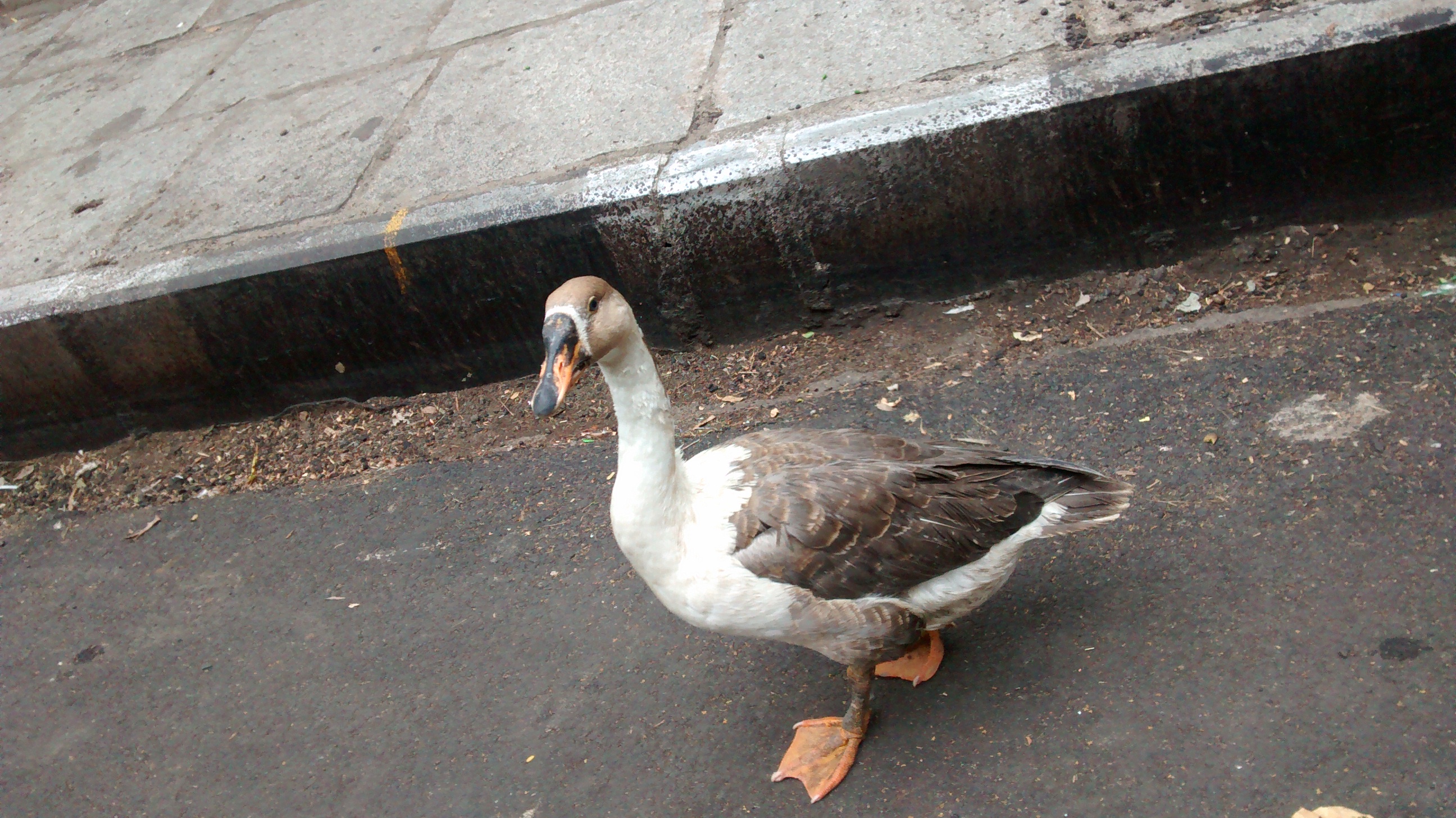
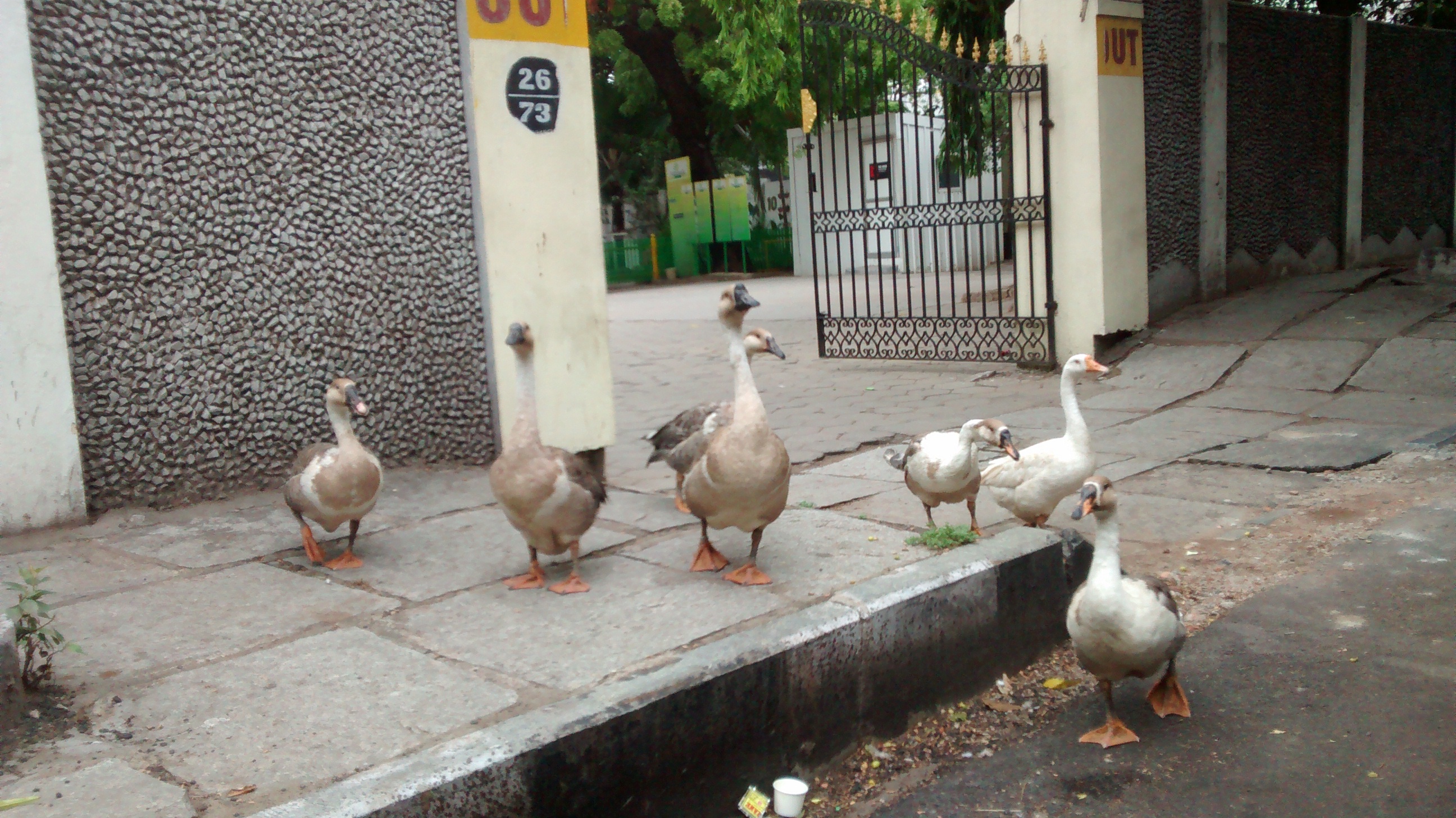
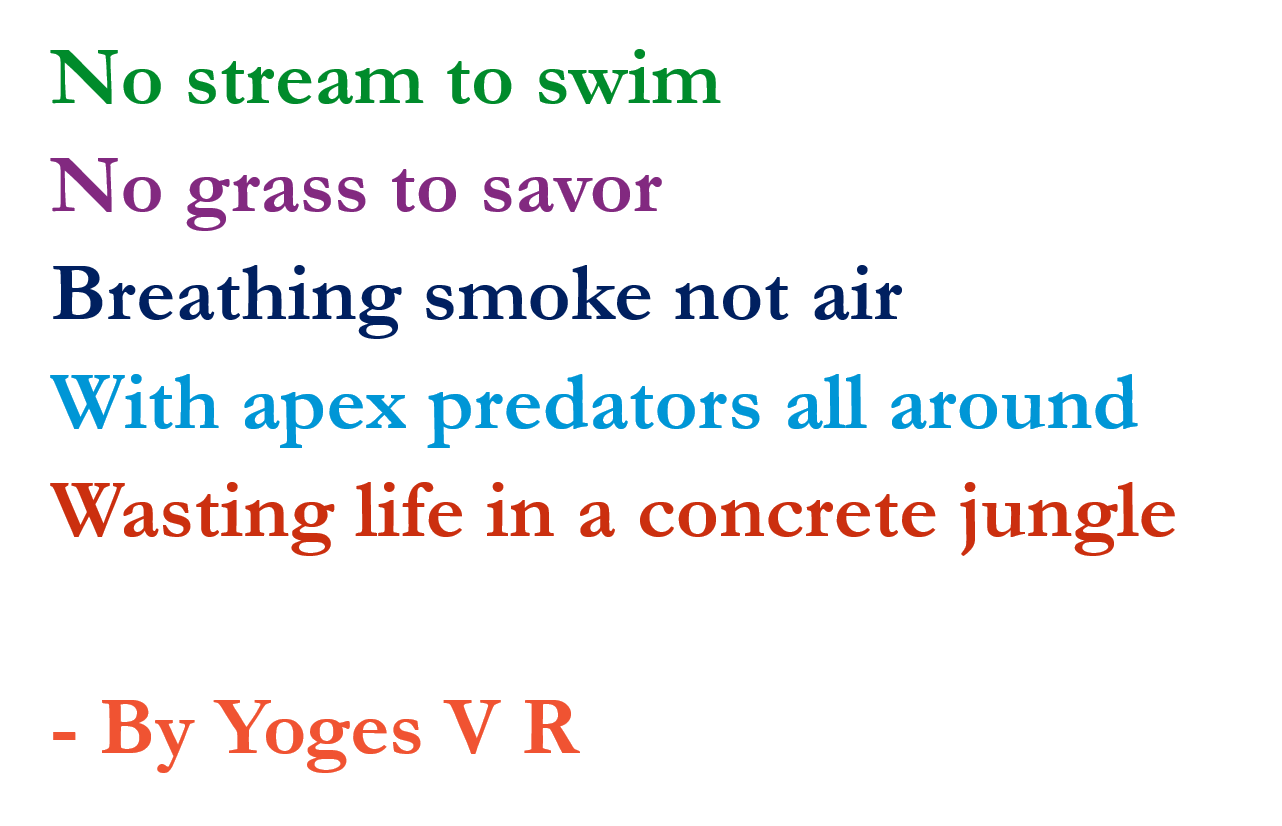
I was pleasantly surprised to spot a flock of geese just outside a restaurant at 9 AM today. A refreshing change compared to the vehicle infested roads that we come across everyday.
Everything made Art.
The goal of this blog is to create a list of super facts. Important facts that are true with very high certainty and yet surprising, misunderstood, or disputed by many. This blog aims to be challenging, educational, and fun, without it being clickbait. I determine veracity using evidence, data from reputable sources and longstanding scientific consensus. Prepare to be challenged (I am). Intentionally seek the truth not confirmation of your belief.
The musings and ramblings of a young poet.
Rhymes and Reasons for Every Season
words. hearts. humidity.
The Life & Ramblings Of A Zillennial
welcome to my paradoxes
where wellness meets authenticity.
Just Inked Thoughts- Poems, Quotes, and Reflections
Here's To Express.. :)
THIS SITE IS ABOUT ME, MY CREATIVITY, MY IMAGINATION AND MY FEELINGS.
Hi! my name is Sebastian (You can call me Seb!) ...welcome to my Blog. I'm a photographer from Worcester, Worcestershire, England. Thanks for dropping by! I hope you enjoy my work.
Open Your Mind
Epic fantasy & military sci-fi author.
An Independent Nondiscriminatory Platform With No Religious, Political, Financial, or Social Affiliations - FOUNDED 2014
Living slowly, adventuring often ✨️
Connecting Inner voice to External World
Gray clouds trail across the sky. In the pale winter sun a flock of geese (Ben Grafström--Akita, Japan)
This is Your Quest - Your Mission to Find Happiness
Tip Shack generates inspiring, positive, informative, entertaining and useful tips & guide, covering fast and fun gastronomy, movies, entertainment, sports, beauty, news, relationships and technology.
Climbing, Outdoors, Life!
Challenging and Supporting People to do the Most Important Work of their Lives
A Journey Through the Looking Glass - Views Expressed Are My Own


 Yogi's Blogosmos